

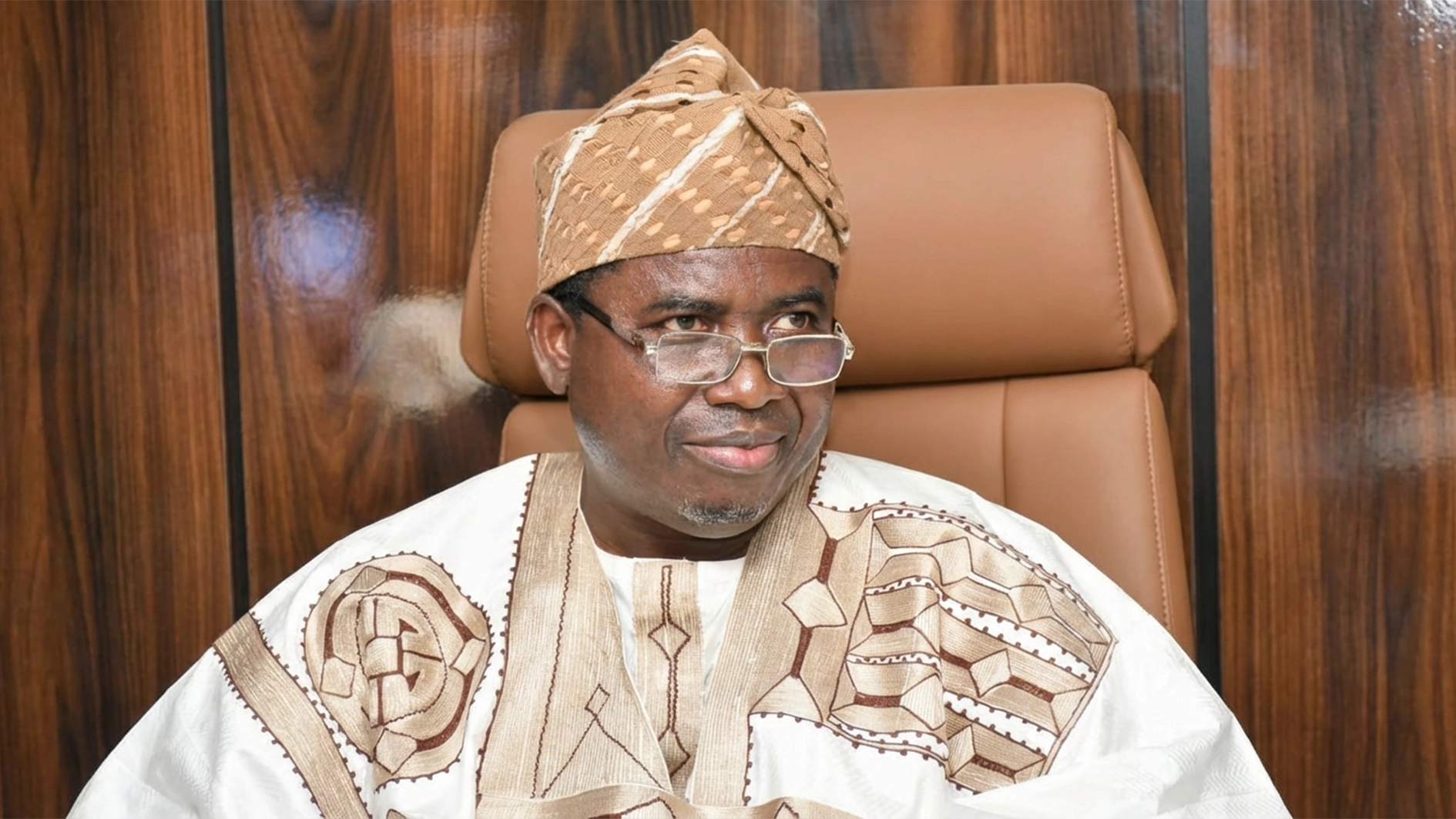
 The Chairman of the Independent National Electoral Commission (INEC), Prof. Joash Amupitan, has warned that there must be no room for false election results announcements during next year’s polls.
He also appealed to newspaper editors and online media practitioners to verify information relating to the elections before publishing, in order to prevent the spread of misleading information to the public.
Amupitan, a Senior Advocate of Nigeria (SAN), spoke on the procedures for announcing election results at the 22nd All Nigeria Editors Conference (ANEC) 2026 in Enugu, the Enugu State capital.
The conference is themed: “The Ballot, the Media and the Task of Keeping Democracy Alive.”
According to him, the Electoral Act gives INEC the exclusive statutory responsibility to declare election results.
Amupitan added: “Amplifying unverified, privately collated figures published by political actors on social media creates conflicting public narratives that undermine official outcomes. In national elections, it is vastly more important to be right than to be first.”
Speaking at the conference, the guest speaker and Emeritus Catholic Archbishop of Abuja, John Cardinal Onaiyekan, advocated the establishment of specialised election tribunals to handle electoral disputes within clearly stipulated timelines.
Similarly, former President of the Nigerian Bar Association (NBA), Mazi Afam Osigwe (SAN), argued that Nigeria should explore ways of limiting the role of the courts in determining electoral outcomes, while Prof. Pat Utomi stressed the need to strengthen democratic institutions.
Amupitan cautioned that AI-generated disinformation represents a serious threat to public confidence and democratic stability ahead of the elections.
He called on newsroom managers to establish strong systems of fact-checking and digital verification to counter artificial intelligence-generated deepfakes.
The INEC chairman also cautioned media organisations against the rush to publish unverified election results simply to break the news first, noting that such reports or broadcasts could damage public confidence.
Amupitan, who was represented by the Resident Electoral Commissioner for Enugu State, Dr. Chukwuemeka Chukwu, warned media practitioners against publishing election figures produced by political actors and circulated on social media, saying such figures could distort the facts.
He explained that generative AI, voice cloning and deepfake video technology had made large-scale deception easier, allowing political actors to create realistic videos of electoral officials, cloned audio recordings and altered result sheets aimed at provoking public anger and questioning legitimate election outcomes.
The INEC chairman called for the establishment of specialised fact-checking units in newsrooms, the use of forensic image-analysis tools and strict compliance with legal procedures requiring official election results to be verified through INEC before publication.
Amupitan said: “Malicious operatives no longer need a printing press or broadcast license to deceive millions. With modest computing power, they can produce a photorealistic video of an electoral official purportedly declaring false results in a dark room; a cloned audio file of an INEC Resident Electoral Commissioner instructing staff to manipulate voting devices on election eve;
“Manipulated result sheets engineered to mimic official security features, flooded onto social media minutes after polling closes to create an illusion of fraud before collation even begins.
“The primary danger of synthetic disinformation is not merely that it tricks citizens into believing a specific falsehood, but it causes the systemic destruction of public trust. When everything can be faked, citizens begin to doubt genuine, verified facts provided by constitutional authorities.”
He added: “When deepfakes render lies believable, real truth is greeted with skepticism. Cynicism replaces civic engagement, leading voters to ask: Why stand in line for hours if the outcome is already manipulated on a screen? That mental retreat is where democracy begins to decay.
“Disinformation attacks the electorate’s cognitive sovereignty, turning elections from a peaceful contest of ideas into a volatile battleground of manipulated emotions, ethnic tension, and pre-packaged outrage.
“For an election management body, administrative success on the ground can be instantly erased on a smartphone screen by a well-timed, algorithmically boosted
Amupitan disclosed that INEC had moved from a defensive approach to a more proactive technological strategy by creating a dedicated Artificial Intelligence Division under its ICT Department.
He said the commission had also introduced automated AI auditing tools into its Results Management process to identify inconsistencies before final verification.
While explaining that the automated checks operate under a five-pillar AI Governance Framework and remain subject to mandatory human oversight, Amupitan warned media organisations against publishing or amplifying privately compiled election results ahead of the 2027 General Elections.
He said such reports could generate conflicting narratives and weaken public confidence in the electoral process.
The INEC chairman urged editors to ensure that their platforms do not become avenues for circulating unverified election figures.
Amupitan added: “Let’s resist premature result declarations. Under the Electoral Act, statutory authority to declare election results rests exclusively with INEC. Amplifying unverified, privately collated figures published by political actors on social media creates conflicting public narratives that undermine official outcomes.
“We should use our platforms to educate citizens on spotting synthetic content, fake letterheads, and algorithmically generated rage-bait.”
The INEC chairman also appeared to respond to a statement attributed to the Nigerian Democratic Congress (NDC) presidential candidate, Peter Obi, concerning plans by the party to establish its own election-viewing portal similar to the IREC.
He reiterated that the amplification of unverified figures independently compiled by political actors and shared on social media could result in competing public narratives and undermine officially declared election results.
Amupitan said the media has an important responsibility to safeguard the credibility of the electoral process, particularly as artificial intelligence and social media continue to make it harder to differentiate authentic information from manipulated material.
He said: “The pressure on modern newsrooms to be first is immense. But in national elections, it is vastly more important to be right than to be first.
“Rushing to publish unverified, sensational claims whether a fake result sheet on social media, a doctored video, or an unconfirmed statement grants institutional legitimacy to deliberate deception, causing damage to public peace that is almost impossible to reverse.
“I appeal to the Nigerian Guild of Editors to view media gatekeeping as a critical component of national security and democratic defense. To effectively combat AI-driven disinformation before, during, and after elections, we must build a collaborative firewall.”
Speaking about the welfare of journalists, Amupitan said: “A poorly compensated journalist is vulnerable; a financially neglected newsroom is fertile ground for compromise.”
He argued that journalists who receive adequate salaries and proper welfare support would be better placed to reject financial inducements, challenge false narratives and report elections objectively.
The INEC chairman said the commission had adopted a similar approach concerning the welfare of its personnel by introducing measures designed to improve the conditions of election officials.
He disclosed that INEC had established the Consolidated Election Management Body Salary Structure (CEMBSS), separating its workforce from the regular Civil Service salary structure with effect from January 1, 2026.
Onaiyekan Calls for Special Election Tribunal
Cardinal Onaiyekan called on the incoming National Assembly to establish a dedicated election tribunal for resolving electoral disputes within a clearly defined period.
He said such a tribunal would help rebuild confidence in the electoral system and prevent election outcomes from ultimately being determined by the courts rather than by voters at polling stations.