


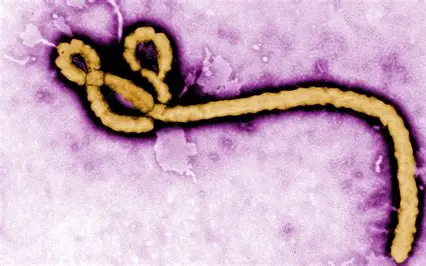
The death toll from the Ebola outbreak in the Democratic Republic of the Congo (DRC) has surpassed 2,000, with health authorities reporting 2,011 confirmed deaths from 4,381 confirmed cases as of Tuesday, August 11, 2026.
The latest figures mark a grim milestone in an outbreak that health officials have described as the fastest-spreading Ebola outbreak on record. The disease has been reported across five provinces, with the eastern province of Ituri remaining the epicentre of the outbreak.
The current outbreak was officially declared on May 15, although health authorities believe transmission began months earlier. The outbreak is being caused by the Bundibugyo virus, a relatively rare Ebola strain for which there is currently no approved vaccine or treatment. Clinical trials for potential treatments and vaccines are underway in Ituri.
The speed of the outbreak has alarmed health experts. While it took roughly nine weeks for the death toll to reach 1,000, another 1,000 deaths were recorded in only about three weeks, highlighting how quickly transmission has accelerated.
Health authorities are facing major challenges in containing the disease, including delayed detection of infections, armed conflict, poor road access, shortages of medical supplies and pressure on an already strained healthcare system.
The insecurity in parts of eastern DRC has also made it difficult for response teams to reach affected communities and trace people who may have been exposed.
The World Health Organization has warned that the response is struggling to keep pace with the spread of the virus, while health workers continue efforts to identify cases, isolate patients and monitor contacts.
The latest outbreak is now the second-largest Ebola outbreak recorded, behind the 2014–2016 West African epidemic, which caused more than 11,000 deaths. It is also the deadliest Ebola outbreak in the DRC since the 2018–2020 epidemic, which killed nearly 2,300 people.
With transmission continuing, health authorities and international partners are calling for increased surveillance, faster case detection, stronger community engagement and greater support for frontline health workers to prevent the outbreak from claiming more lives.