

The National Health Insurance Authority has increased its financial support for cancer treatment as part of efforts to ease the heavy costs faced by patients and their families.
The authority disclosed that the measures include a cost-sharing arrangement that protects eligible patients from paying 80 per cent of the cost of selected cancer medicines, alongside enhanced support for radiotherapy, diagnostic procedures and other cancer-related services.
In a statement released on Sunday to commemorate Breast Cancer Awareness Month, the NHIA said the initiatives were designed to ensure that health insurance provides genuine financial protection against expensive illnesses, rather than focusing solely on increasing enrolment.
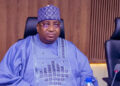
“The critical measure of the insurance system should no longer be the number of Nigerians carrying insurance records, but whether those records provide meaningful protection when illness strikes,” the NHIA Director-General, Dr Kelechi Ohiri, said.
The authority explained that cancer care can place significant financial pressure on households, as patients may require multiple diagnostic procedures, surgery, chemotherapy, radiotherapy and specialised drugs throughout their treatment.
Under an expanded cost-sharing agreement between the NHIA and pharmaceutical firm Roche, the company covers 50 per cent of the cost of selected oncology medicines, while the NHIA provides 30 per cent and eligible patients contribute the remaining 20 per cent.
The arrangement therefore provides beneficiaries with 80 per cent coverage for the selected medicines.
The authority also disclosed that it had introduced further financial assistance of between N400,000 and full coverage for eligible patients undergoing radiotherapy.
“Under the cost-sharing arrangement, Roche bears 50 per cent of the cost of selected medicines, the NHIA contributes 30 per cent, while the patient pays 20 per cent. The initiative shields eligible patients from 80 per cent of the cost of the affected medicines.
“NHIA has also introduced additional support ranging from up to N400,000 to full coverage for eligible radiotherapy patients, complementing existing benefits for cancer care. These include mammography, CT and MRI scans, bone scans, cancer-related laboratory and diagnostic tests and radiotherapy,” the statement read.
Other cancer services included in the authority’s insurance programmes are mammograms, CT and MRI scans, bone scans, laboratory investigations, diagnostic tests and radiotherapy.
Depending on the specific benefit package, beneficiaries may also receive assistance for cancer screening, surgery, chemotherapy and follow-up treatment.
The NHIA said the measures were necessary given the country’s cancer burden and the high level of out-of-pocket spending required for treatment.
Quoting data from the Global Cancer Observatory, the authority said Nigeria records an estimated 32,278 new breast cancer cases and 16,332 deaths annually.
It added that breast cancer remains the most frequently diagnosed cancer among Nigerian women and is also one of the major causes of cancer-related deaths in the country.
The statement further referenced a Federal Government disclosure made in July 2026, which indicated that Nigeria accounts for approximately 10.5 per cent of Africa’s cancer burden, placing the country among the three most affected nations on the continent.
According to the NHIA, treatment expenses can subject families to prolonged financial difficulties, particularly as treatment abroad remains unaffordable for most Nigerians, while specialised care available locally can also be costly.
The authority said more than 23 million Nigerians are currently enrolled in the national health insurance system, providing a wider platform for expanding financial protection against cancer and other expensive diseases.
It noted that its interventions form part of the Federal Government’s wider cancer prevention and treatment efforts being implemented by the Federal Ministry of Health and Social Welfare.
Nigeria is currently implementing the National Cancer Control Plan 2026–2030, which focuses on prevention, early detection, diagnosis, treatment, patient navigation, survivorship, research, data management and strengthening the oncology workforce.
The government is also working to upgrade six Oncology Centres of Excellence across the country.
The statement said centres at the University College Hospital, Ibadan; University of Benin Teaching Hospital, Benin; University of Nigeria Teaching Hospital, Enugu; and Ahmadu Bello University Teaching Hospital, Zaria, are already operational with specialised equipment, including brachytherapy machines.
Other interventions include the Cancer Access Partnership programme, which provides 27 anti-cancer medicines in 48 formulations across 14 federal tertiary hospitals.
The government has also established the Cancer Health Fund to support indigent patients receiving treatment for breast, cervical and prostate cancers.
Despite these measures, the NHIA acknowledged that more interventions would be required to adequately tackle Nigeria’s cancer burden.
“As Breast Cancer Awareness Month begins, the Authority urged women to pay close attention to changes in their breasts, seek medical advice promptly and take advantage of screening opportunities where available,” the statement said.
The authority added that reducing breast cancer deaths and the financial burden associated with treatment would require increased public awareness, earlier detection, broader access to care and stronger financing systems capable of protecting households from severe financial hardship.