

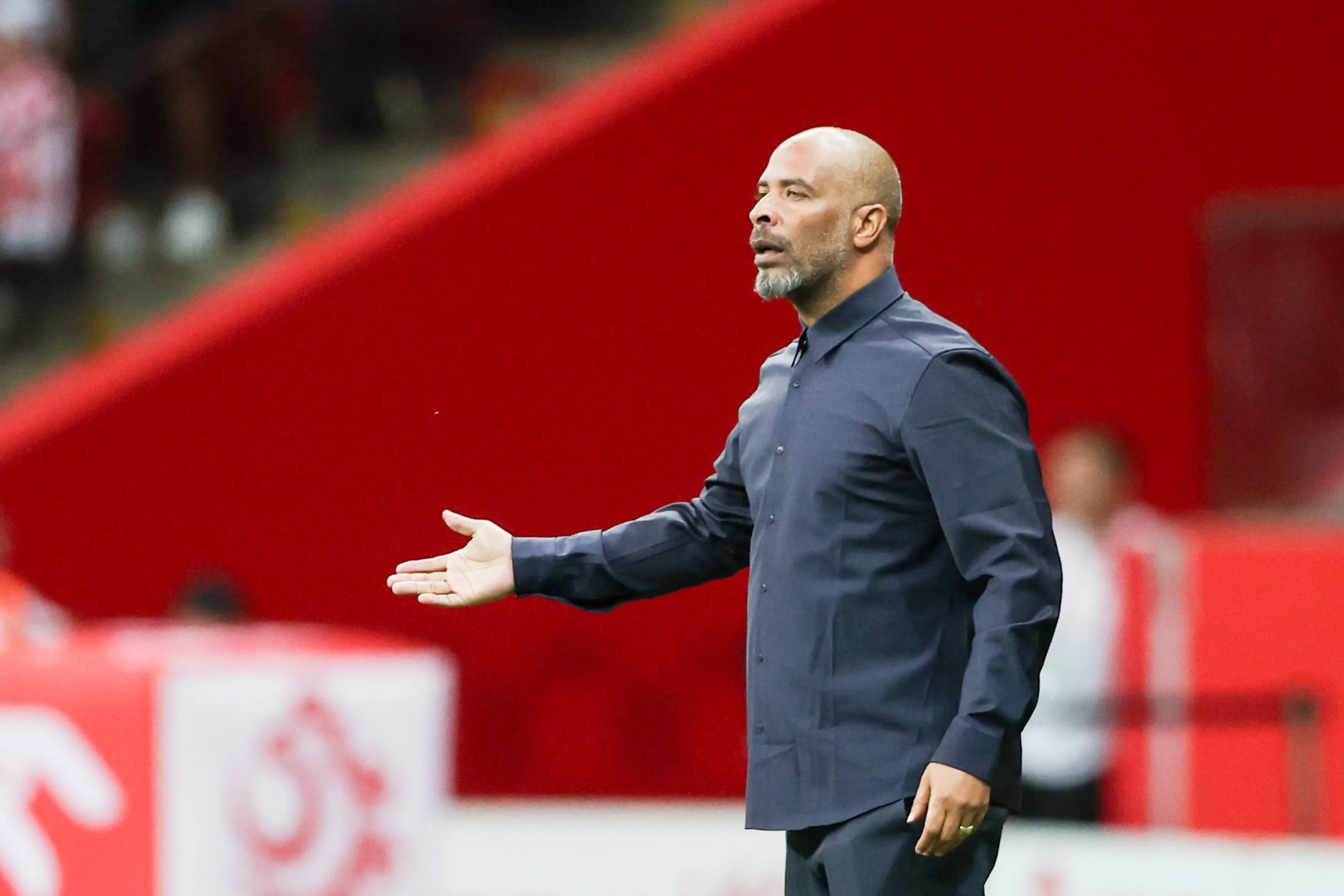
Super Eagles head coach Eric Chelle has supported calls for the Africa Cup of Nations (AFCON) to return to its traditional two-year schedule, describing the arrangement as important for the growth of African football.
The Franco-Malian coach believes holding the continent’s premier football competition every two years would provide African countries with more chances to develop their teams, improve players and test themselves against strong opponents.
“For me, it’s perfect because when you want to improve, having one tournament every four years is difficult. So, having a tournament every two years now is perfect, so we can continue to improve,” Chelle told SABC Sport.
The Confederation of African Football had earlier announced plans to change AFCON to a four-year cycle. However, CAF president Patrice Motsepe has recently suggested that the decision could be reconsidered, bringing the tournament’s future schedule back into discussion.
Chelle, who led Mali at the 2023 AFCON before coaching Nigeria at the 2025 edition, maintained that organising the competition more regularly would help African teams improve their competitiveness against other nations.
“We can grow together; we will play two big tournaments instead of the other nations playing one tournament,” he added.
The Super Eagles coach also emphasised the need for consistent exposure to high-level international football to prepare African teams for the FIFA World Cup.
According to him, holding AFCON every two years would give national teams more opportunities to gain experience while improving their tactical organisation and technical performance.
Chelle also pointed to the economic advantages of hosting the tournament more frequently, noting that it could attract more tourists, stimulate commercial activities and increase revenue for host countries.
As CAF reconsiders its position on the competition’s schedule, Chelle’s support has added to the ongoing debate over how often AFCON should take place, with the coach maintaining that a biennial format would create more opportunities for African football to develop.