


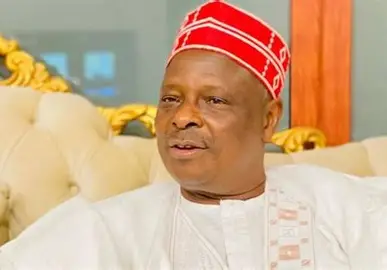
Former Kano State Governor and vice-presidential candidate of the National Democratic Congress (NDC), Rabiu Musa Kwankwaso, has expressed support for the Catholic Bishops’ Conference of Nigeria (CBCN) over its comments on the country’s worsening economic and security challenges.
Kwankwaso, in a statement reacting to reported criticism of the bishops by officials of the Federal Government, described the CBCN’s intervention as an act of courage and patriotism, saying their concerns reflect the realities faced by millions of Nigerians.
He said issues raised by the bishops, including the rising cost of living, insecurity, declining public confidence, and widespread hardship, should not be viewed through a partisan lens but as matters affecting citizens across the country.
“I commend the Catholic Bishops’ Conference of Nigeria (CBCN) for demonstrating courage and patriotism by drawing attention to the realities confronting our nation,” Kwankwaso said.
“Their concerns regarding the rising cost of living, worsening insecurity, declining public confidence, and the hardship faced by millions of Nigerians are neither partisan nor isolated; they reflect the daily experiences of ordinary citizens across every region of our country,” he added.
The former governor noted that despite Nigeria’s vast human and natural resources, many citizens continue to grapple with economic difficulties, unemployment, insecurity, and limited access to quality education and healthcare.
According to him, the challenges confronting the nation require urgent and people-focused solutions from leaders at all levels.
“Nigeria is blessed with abundant human and natural resources, yet millions of our people continue to struggle under the weight of economic hardship, unemployment, insecurity, poor access to quality education and healthcare, and diminishing opportunities,” he said.
Kwankwaso urged Nigerians to continue engaging government authorities constructively while advocating for policies that promote accountability, good governance, security, and improved welfare.
He added that a collective commitment to responsible leadership remained essential to building a peaceful, united, and prosperous Nigeria.